
The difference between leaders who inspire innovation and those who suppress it often comes down to one thing: reflective leadership style.
This is not another buzzword. It’s a mindset shift. A way of leading that prioritizes self-awareness, emotional intelligence, and growth. Not just control.
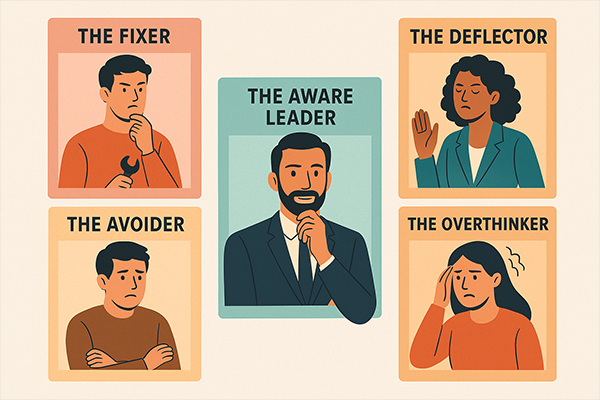
Kiran Deep Sandhu’s Diagnostic Workbook, “Is Your Office Silently Failing?”, introduced five leadership reflective styles: The Fixer, The Deflector, The Avoider, The Overthinker, and The Aware Leader. In this blog, we’ll go deeper into what these styles mean, how they show up in Nepali workplaces, and how you can evolve toward becoming an Aware Leader.
The 5 Reflective Leadership Styles in Action
1. The Fixer
Corporate leaders, especially in banking or IT, jump in to solve every problem. They’re the first to respond, the loudest in the room, and the last to delegate. They think they are the savior, but they don’t realize they are creating a problem by not delegating, transferring knowledge or even overcommitting themselves.
Impact: Teams become dependent on few people. Employees stop thinking for themselves, waiting for “the boss” to provide every answer. This stalls growth.
Shift to Reflective Practice: Instead of rushing to fix, ask: “What do you think we should do?” By stepping back, you give your team ownership and you create leaders, not followers. If your team doesn’t know what to do, show them the way, just like the old saying “teach them how to catch the fish, not cook the fish and serve them on the plate.”
2. The Deflector
When KPIs aren’t met, blame is shifted. This type of leader deflects the problem to other people, circumstances or anything but themselves. “The client delayed approvals.” “Head office didn’t support us.” “The market is too unstable” are the usual narrative.Impact: A culture of excuse-making. No one owns outcomes. Problems repeat, year after year.
Shift to Reflective Practice: Acknowledge your role first. Model accountability. Teams mirror what they see, and when leaders stop deflecting, so do employees.
3. The Avoider
Difficult conversations are brushed aside. Poor performance is left unchecked. Workplace conflicts are ignored in the hope that “time will fix it.” These leaders are usually product of Nepali culture, where they try to be nice to others, usually avoiding impotant office matters. But they don’t understand being nice is not the way to go in leadership.
Impact: Frustration builds, good employees disengage, and the real issues remain buried until it’s too late. Shift to Reflective Practice: Learn to confront with compassion. Sit down with employees and ask: “What’s holding you back?” Avoidance protects comfort, but it destroys growth.
4. The Overthinker
Committees meet endlessly. Reports pile up. Leaders keep waiting for “perfect” data before making a decision. By the time action is taken, opportunities are gone. These leaders typically prolong situations for too long and fails to be decisive.
Impact: Teams lose momentum. Competitors move ahead.Fails to capitalize the right time or right decision. Shift to Reflective Practice: Move from “What if we fail?” to “What will we learn if we try?” Pilot small ideas, test fast, and adjust. Reflective leaders create motion, not paralysis.
5. The Aware Leader
These leaders stand out. They listen more than they speak. They check their biases and try to self-correct. They encourage even the quietest voices in the room. Impact: Trust is built, creativity is unlocked, and employees feel safe to take risks. These leaders don’t just run companies. They transform them. Best Practice: Develop habits of reflection. Journal after key meetings, invite feedback, or work with a coach. Regularly ask yourself: “How did my behavior today impact my team?”
Why Reflective Leadership Matters in Nepal Right Now
Retention Crisis: Every month, thousands of skilled employees leave Nepal for better opportunities elsewhere or abroad. Leaders who build trust and growth can actually retain top talent if they feel valued.
Innovation Gap: Too many corporates stick to safe, predictable paths. Reflective leaders create psychological safety, which can be fuel for new ideas. Trust Deficit: Most Nepali workplaces are hierarchical. Junior staff hesitate to challenge senior voices. Reflective leadership breaks this cycle by creating dialogue, not dictatorship.
Practical Ways to Start Leading Reflectively
- – Pause Before Reacting: Don’t rush to respond in meetings. A short pause often changes the quality of your response.
- – Seek Honest Feedback: Ask your team: “What should I keep doing, stop doing, and start doing?”
- – Practice Emotional Intelligence: Notice your triggers. If fear or frustration drives your reaction, step back.
- – Model Vulnerability: Admit when you don’t know something. It doesn’t reduce respect. It rather builds it.
- – Invest in Growth: Reflection is a practice, not an occasional activity. Commit to it daily.
“Is Your Office Silently Failing” Workbook
Kiran Deep Sandhu, an expert in leadership and communication with a focus on mindset transformation, developed the Diagnostic Workbook to help Nepali leaders uncover their reflective style. The workbook is not about judging or labeling leaders. It’s a practical tool to help you see yourself clearly, recognize your blind spots, and shift toward becoming an Aware Leader, the kind who transforms silence into dialogue, compliance into commitment, and ordinary teams into high-performing ones.